

 English (UK)
  Deutsch
  Deutsch (Österreich)
 BEFORCE Woven Fabrics
BEFORCE Woven Fabrics made of polypropylene (also referred to as PP fabrics) are used in civil and road engineering to improve the load-bearing capacity of weak subsoil. They are tensile, durable, and cost-efficient – ideal for a wide range of applications.
Your advantages

Separation of bearing course material from substrate

Reinforcing effect in the foundation course; increases the load-bearing capacity; reduces deformation and ruts

Easy to install, low labour input

Cost savings due to reduction in thickness of unbound base course
What Are Polypropylene Woven Geotextiles (PP Fabrics)?
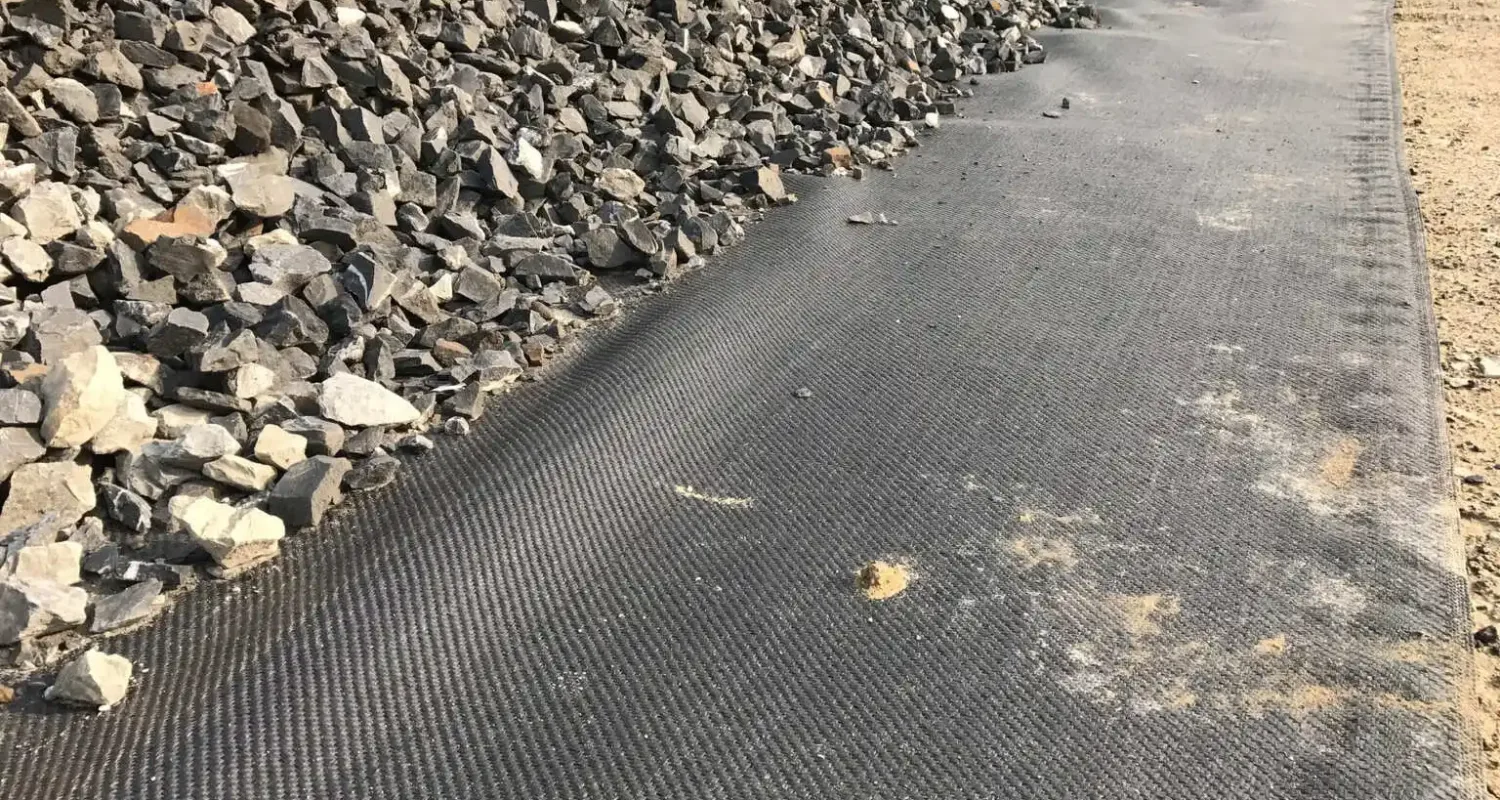
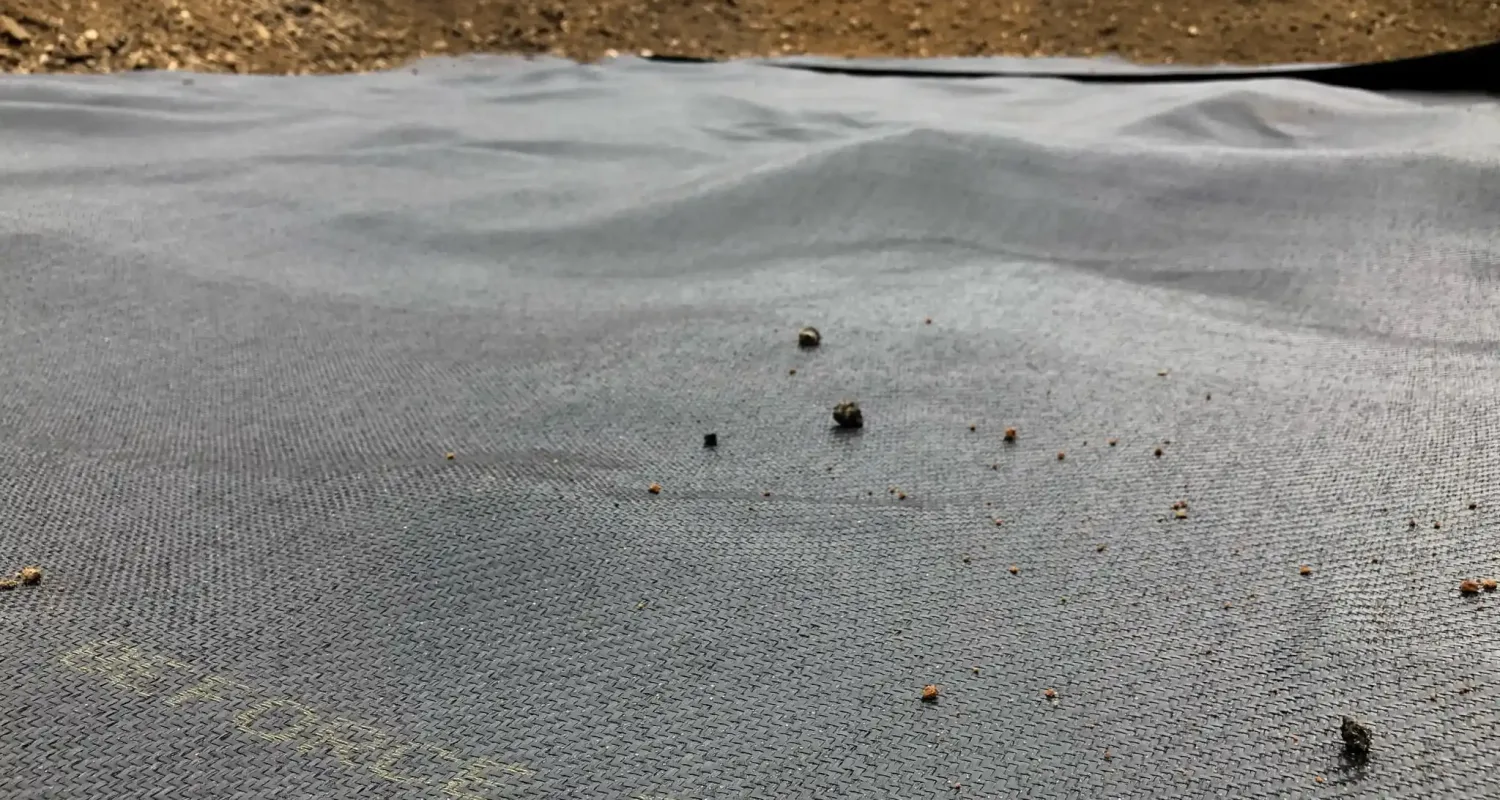
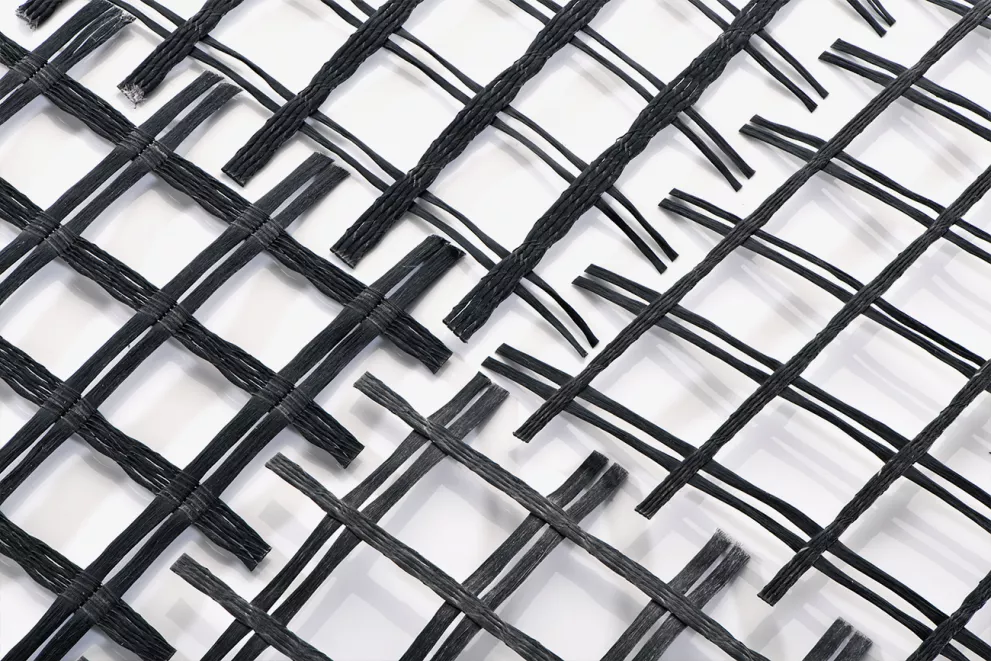
Woven polypropylene fabrics, a subgroup of woven geotextiles (GTX-W), are technical planar structures made of flat, stretched polypropylene tapes woven at right angles. They are characterised by high tensile strength in both longitudinal and transverse directions, high elongation, and good adaptability to uneven subsoil. In civil and road construction, they combine the functions of separation and reinforcement in a single product.
Our BEFORCE Woven Fabrics are based on this structure. Depending on the type, they meet specific requirements for tensile strength and mechanical durability. Polypropylene woven fabrics are robust and chemically resistant—ideal properties for long-term use as reinforcement geotextiles in earthworks.
Unlike non-woven fabrics or geogrids woven geotextiles combine both separation and reinforcement in a single layer, enabling cost-efficient solutions without additional materials or layers.

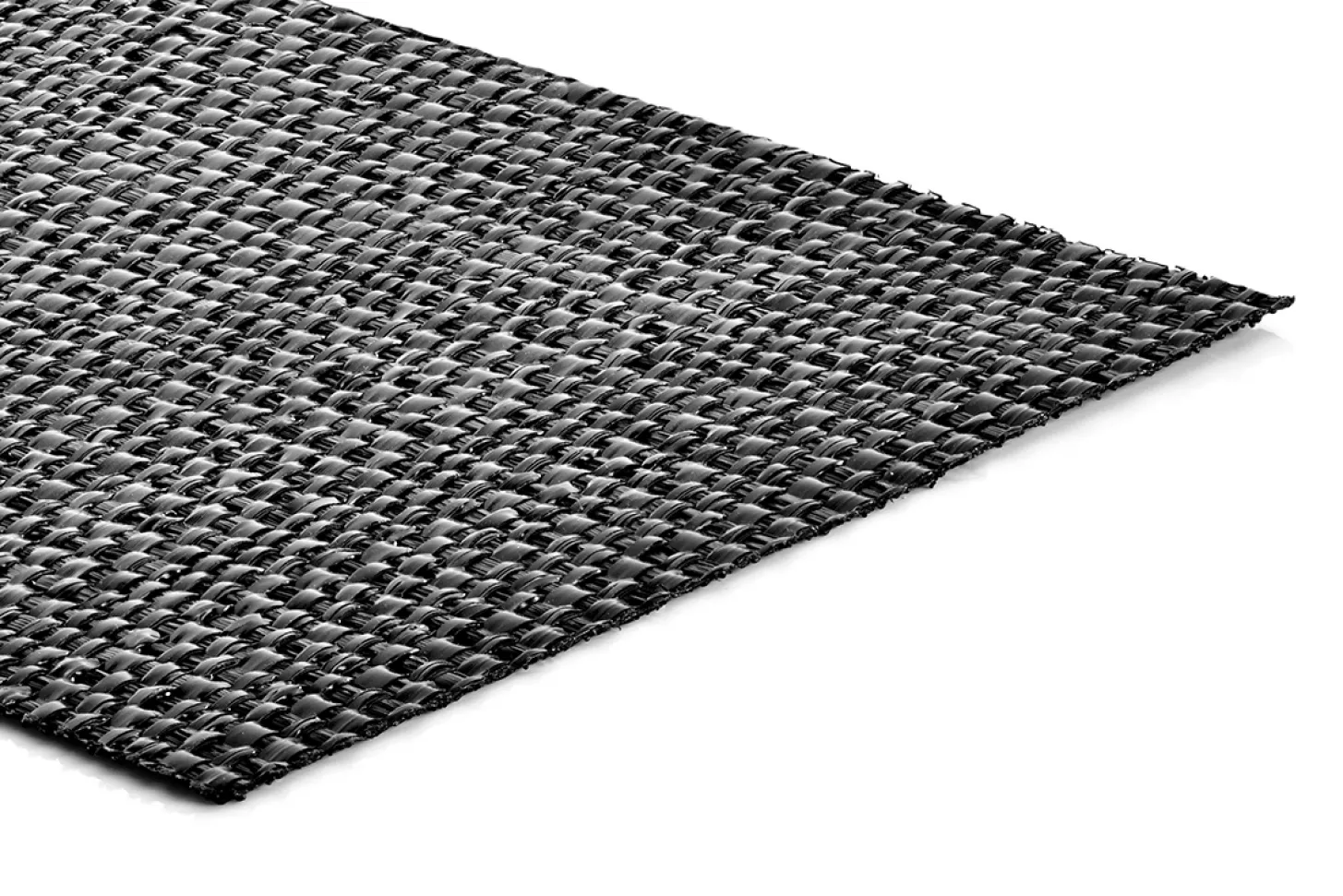
The Right Woven Geotextile for Your Construction Project
The BEFORCE product family offers a wide range of reinforcing fabrics for various requirements in earthworks and road construction.
BEFORCE Woven Fabrics are suitable for installation on soft, low-bearing ground. Some highly robust products are also suitable for covering with coarse-grained base course material. These reinforcement geogrids are suitable for the stresses caused by fill material and construction work as specified on pages 105-107 of the “Merkblatt über die Anwendung von Geokunststoffen im Erdbau des Straßenbaues” (Leaflet on the use of geosynthetics in earthworks for highway construction).
Depending on soil conditions, traffic loads, and desired base course thickness, we are happy to recommend the appropriate woven fabric type for your project.
Functions
Separation
 The woven structure of BEFORCE Woven Geotextiles ensures effective separation between different soil layers. This sets woven geotextiles apart from geogrids, which only offer reinforcement and in some applications require an additional separating layer (e.g. a non-woven geotextile).
Reinforcement
 To transfer loads effectively, the tensile strength of the reinforcement must be activated through friction between the soil and the fabric. The enclosed soil mass is held in place by the fabric and acts as a compressive element.
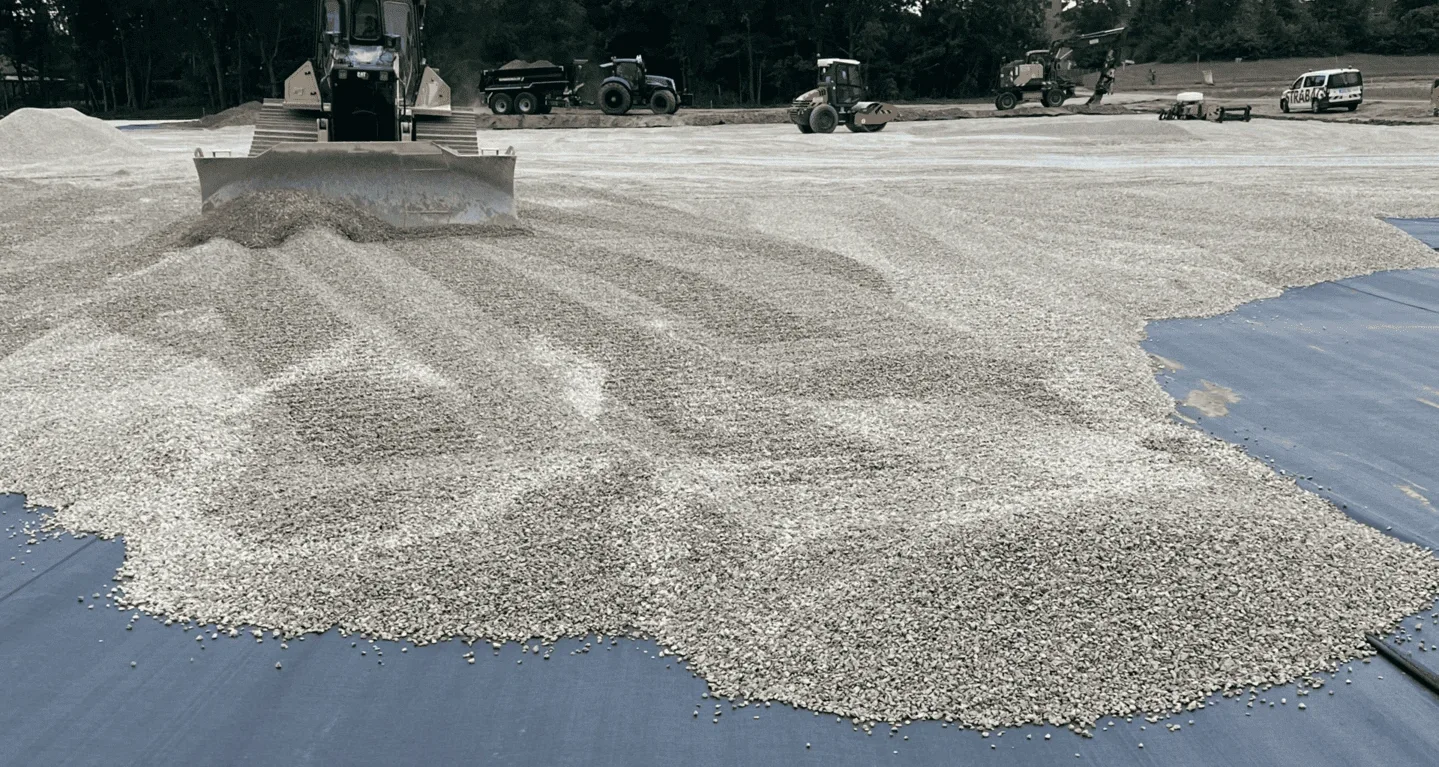
In base course reinforcement with BEFORCE PP fabrics, the subsoil’s bearing capacity must first be determined using the EV2 deformation modulus. In road construction, a base EV2 of 45 MPa and, depending on the traffic load class, a value of 120 MPa on the frost protection or gravel base layer are typically required. To reduce deformation and increase bearing capacity, the woven fabric is installed on the compacted subgrade and covered with the specified unbound base layers. Loads introduced by traffic lead to deformations in the unbound structure, which are absorbed by the BEFORCE Polypropylene Geotextile. According to the M Geok E (2016), geotextiles are used wherever a separating and/or reinforcing function is required.
Funktion & Wirkung von Geogeweben

Improved foundation layer without partial soil replacement
When designing and constructing a reinforced base layer, it is possible to forego proving the subgrade value of 45 MPa, provided that the required target value – for example, EV2 ≥ 120 MPa and EV2/EV1 ≤ 2.3 – is met on the surface of the unbound base course.
- Bound upper construction layers
- Unbound upper construction layers
- BEFORCE Woven Fabrics
- Subsoil with poor load-bearing capacity
| EU (= EV2 of the subgrade) | MPa | 10 | 15 | 20 | 25 | 60 |
| Required minimum thickness of frost protection or base layer (reinforced) | cm | 53 | 42 | 35 | 35 | 29 |
| Required minimum thickness of frost protection or base layer (unreinforced) | cm | 81 | 63 | 51 | 45 | 40 |
| Savings potential | % | 34 | 33 | 31 | 31 | 27 |
Improved base layer with partial soil replacement
If the original subgrade does not meet the required EV2 of 45 MPa, the subsoil or base must be improved. One improvement method is partial soil replacement, which can be significantly reduced or avoided by using BEFORCE Woven Geotextiles.
- Bound upper construction layers
- Unbound upper construction layers
- Partial soil replacement
- BEFORCE Woven Fabrics
- Subsoil with poor load-bearing capacity
| EU (= EV2 of the subgrade) | MPa | 10 | 15 | 20 | 25 | 30 |
| Required minimum thickness of frost protection or base layer (reinforced) | cm | 21 | 16 | 13 | 10 | 9 |
| Required minimum thickness of frost protection or base layer (unreinforced) | cm | 45 | 35 | 28 | 24 | 21 |
| Savings potential | % | 53 | 54 | 53 | 58 | 57 |
Applications of Polypropylene Woven Geotextiles
Woven geotextiles – also referred to as woven tape fabrics – are primarily used for base course reinforcement and improving load-bearing capacity in road, rail, and traffic route construction.
Especially in the stabilization of paved and unpaved roads, BEFORCE polypropylene fabrics offer a simple and cost-effective alternative to conventional methods like soil replacement or soil stabilisationOther areas of application include farm tracks, car parks, cycle paths and construction roads.
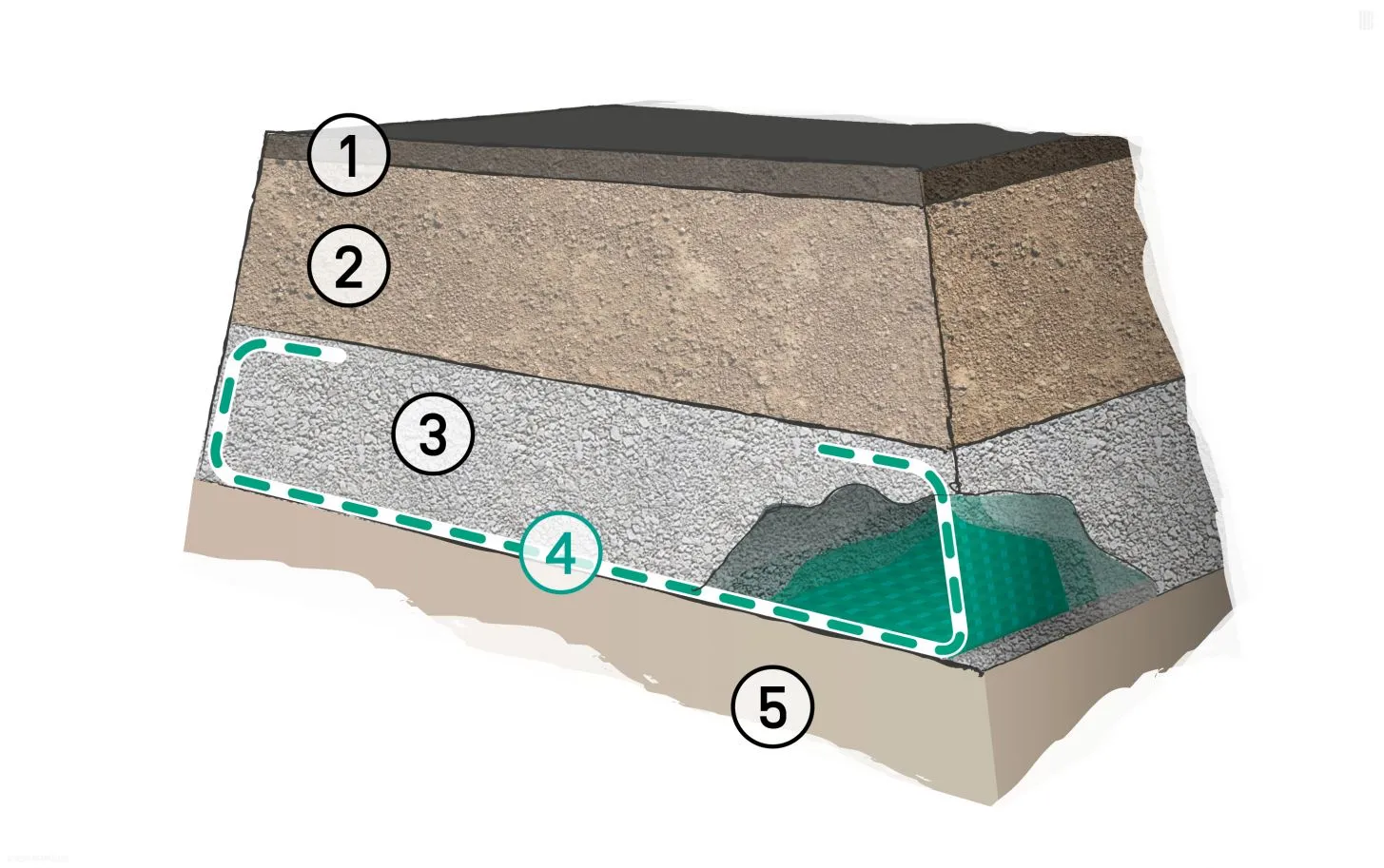
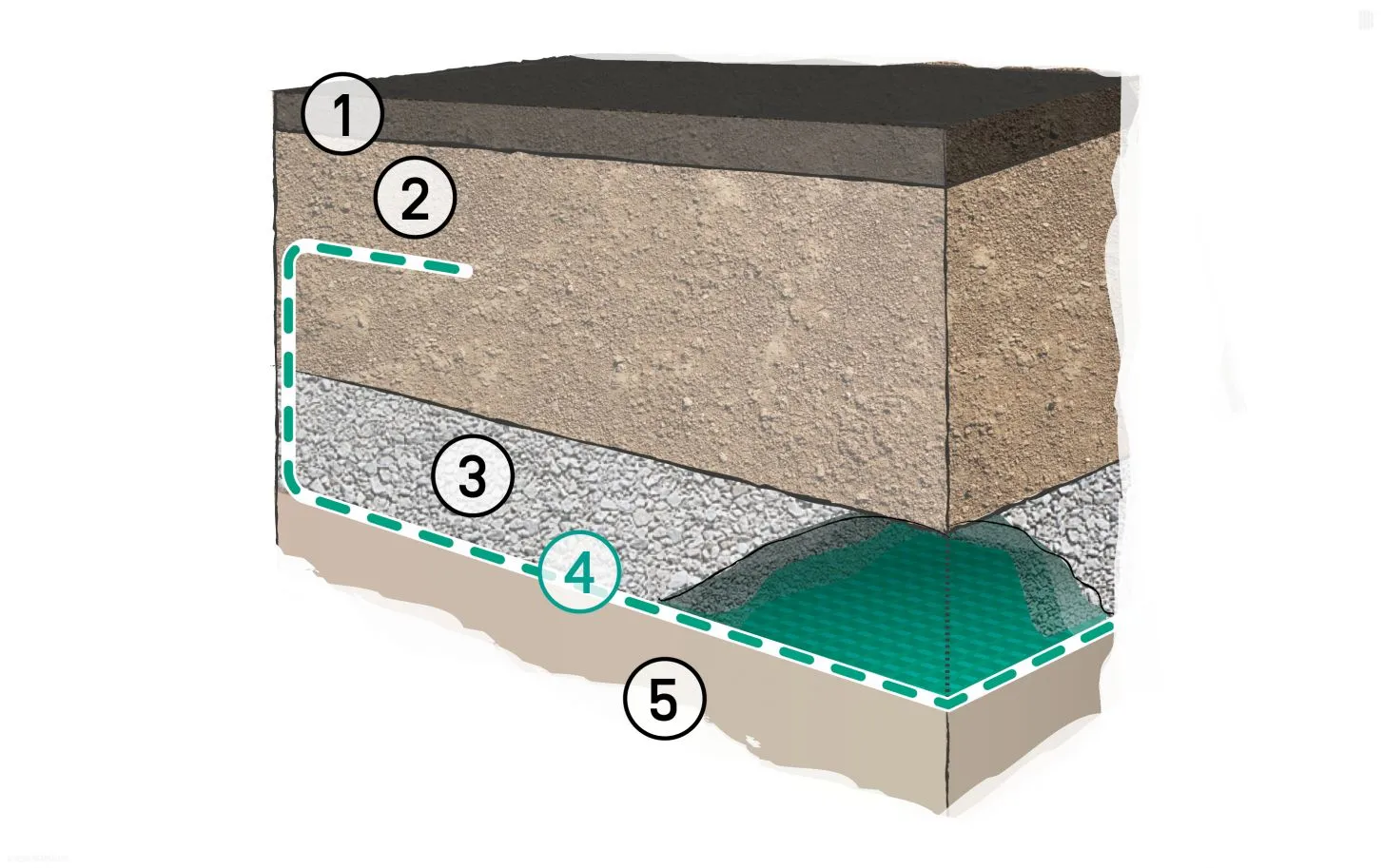
Reinforcing layer under a dam
- Bound upper construction layers
- Unbound surface layer
- Base layer
- BEFORCE Woven Fabrics
- Subsoil with poor load-bearing capacity
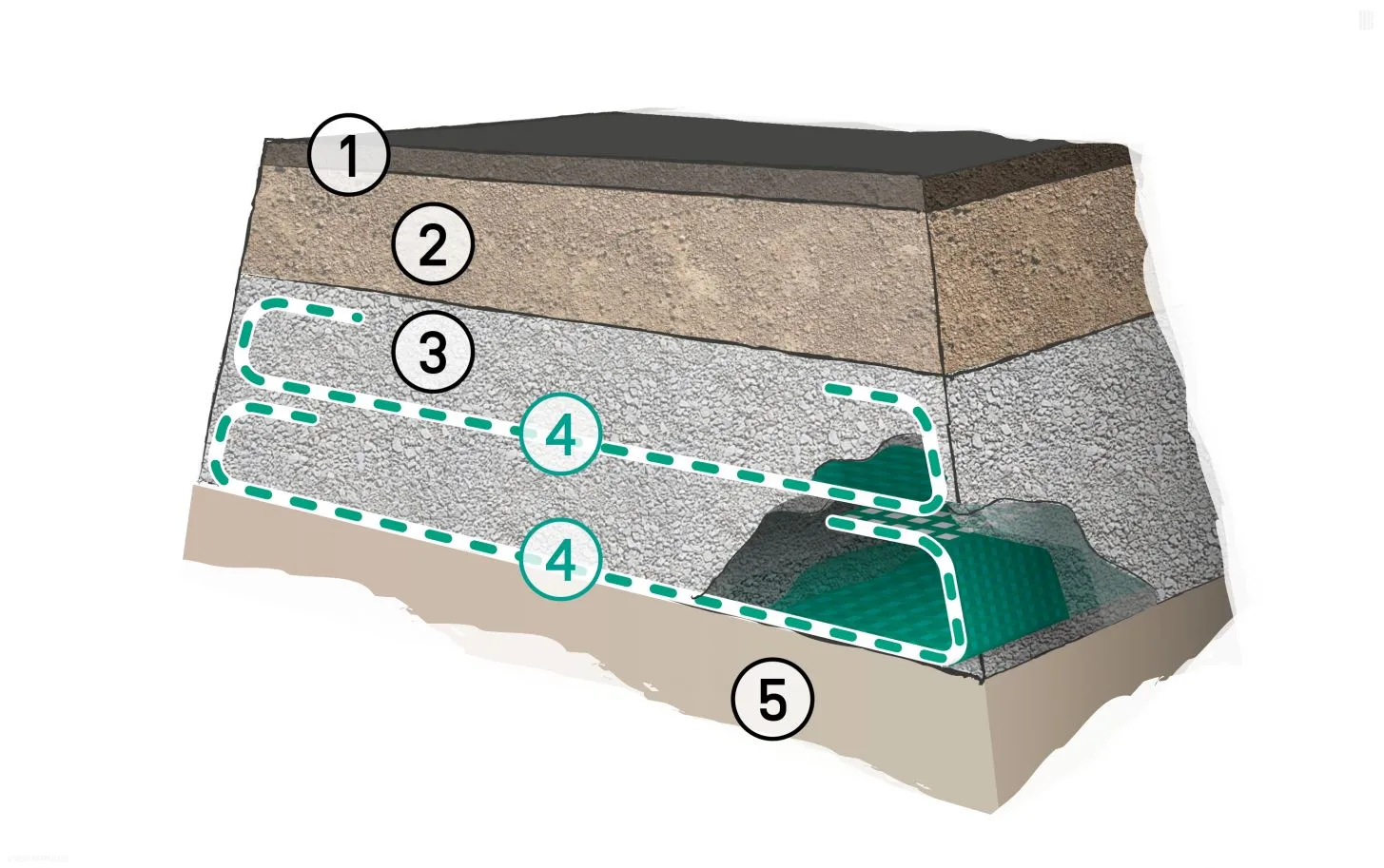
Several reinforcing layers
- Bound upper construction layers
- Unbound surface layer
- Base layer
- BEFORCE Woven Fabrics
- Subsoil with poor load-bearing capacity
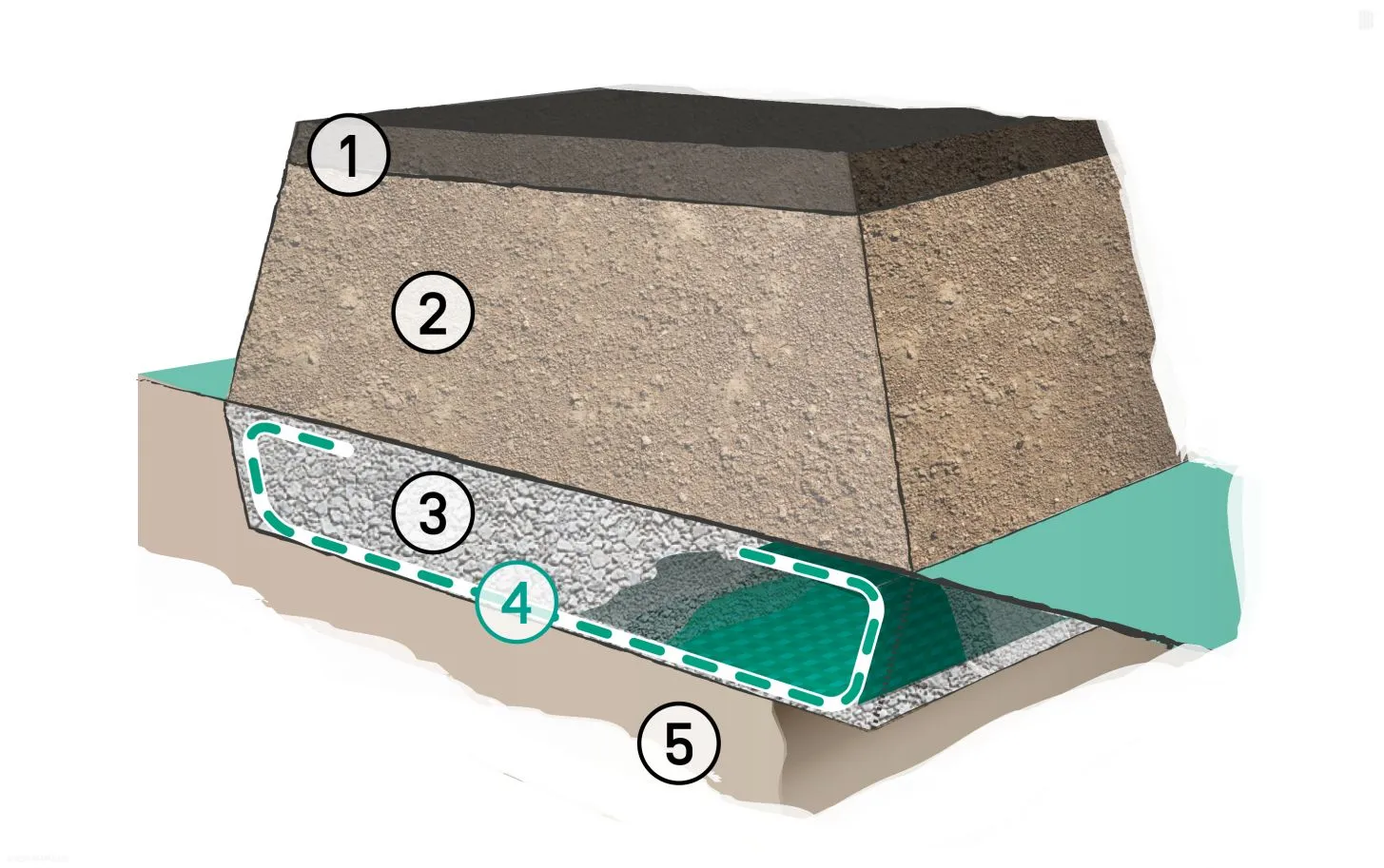
Reinforced layer as soil replacement
- Bound upper construction layers
- Unbound upper construction layers
- Partial soil replacement
- BEFORCE Woven Fabrics
- Subsoil with poor load-bearing capacity
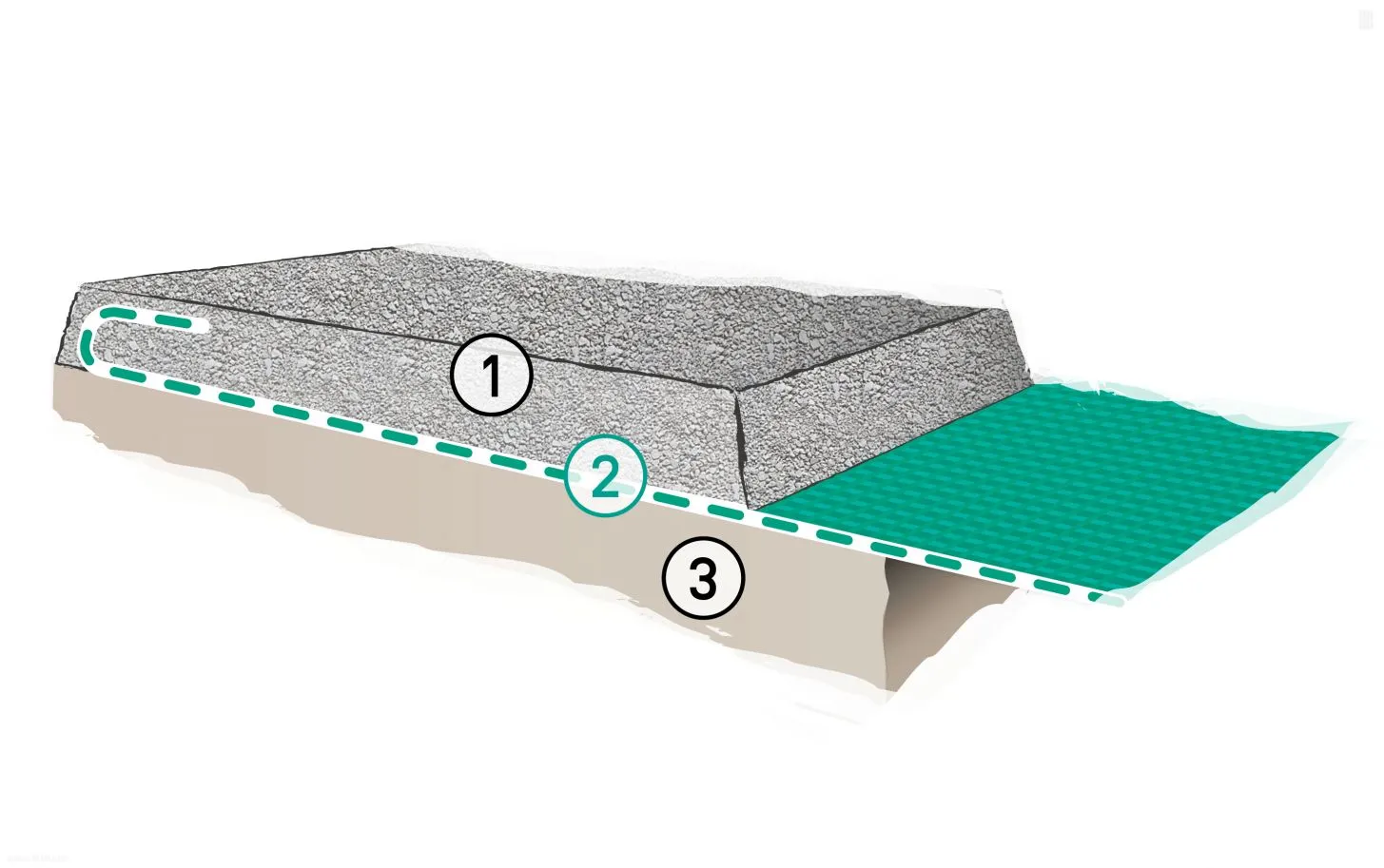
Reinforcing layer under roads with unbound surfaces (construction site access roads, service roads and access routes for site development)
- Unbound upper construction layers
- BEFORCE Woven Fabrics
- Subsoil with poor load-bearing capacity
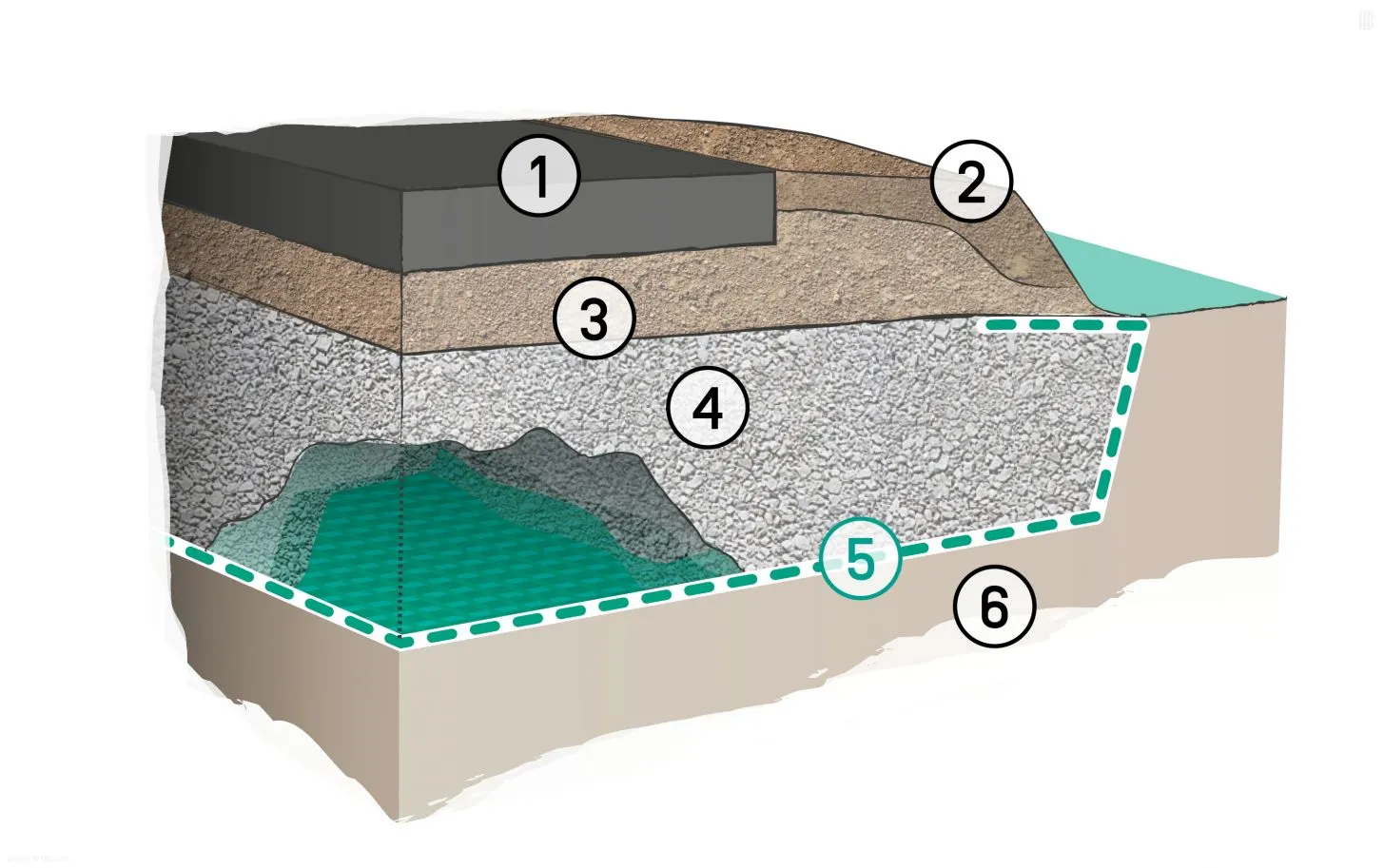
Separating and reinforcing a layer of replaced soil to improve the load-bearing capacity of the formation layer and to support vehicular traffic during the construction phase
- Bound upper construction layers
- Verge
- Unbound sub-base
- Soil replacement using load-bearing material
- BEFORCE Woven Fabrics
- Subsoil with poor load-bearing capacity

Reinforced foundation bed as a bearing layer for pipelines
- Pipe bedding
- BEFORCE Woven Fabrics
- Subsoil with poor load-bearing capacity
Product Data for BEFORCE Woven Fabrics
These types are readily available from stock. Other variants are available upon request.
| Properties | PP 40 | PP 50 | PP 60 | PH 55 (PP 80) |
|---|---|---|---|---|
| Product type | Woven geotextiles | |||
| Raw material | Polypropylene (PP) | |||
| Geotextile robustness class (GRK) | 3 | 4 | 5 | 5 |
| Maximum tensile strength longitudinal / transverse | 40 kN/m | 50 kN/m | 60 kN/m | 80 kN/m |
| Areas of application | ||||
| Dike and hydraulic structures | ● | ● | ● | ● |
| Earthworks and foundations | ● | ● | ● | ● |
| Canal structures | ● | ● | ● | ● |
| Riding arenas | ○ | ● | ● | |
| Road and traffic area | ● | ● | ● | ● |
| Road construction | ● | ● | ● | ● |
Cost and Savings Potential with BEFORCE Reinforcement Fabrics
A comprehensive study by the EAGM (European Association of Geosynthetic Product Manufacturers) demonstrated the ecological and economic advantages of geosynthetics such as polypropylene woven geotextiles over conventional construction methods.
Using BEFORCE PP fabrics can significantly reduce or even eliminate the need for traditional soil replacement. The combination of separation and reinforcement functions contributes to a considerable reduction in construction effort.
Depending on project-specific conditions, savings of up to 40% compared to traditional methods can be achieved. Additionally, there are cost and time savings from reduced excavation, disposal, and transport needs. The lower material use and reduced transport also have an effect on the environmental footprint.
*The actual potential savings may vary depending on the boundary conditions of the specific project and on the frost resistance of the road pavement and the load-bearing capacity of the substrate.
(EAGM life cycle analysis, IVG, 2015)
POTENTIAL SAVINGS* up to
%

Example: Road construction class Bk3.2, row 1, Table 1 RStO (Guidelines for the standardisation of traffic area pavements), published 2012
The installation of BEFORCE Woven Fabrics result in savings of at least 40 cm in excavation and disposal costs, as well as delivery and installation of replacement material.
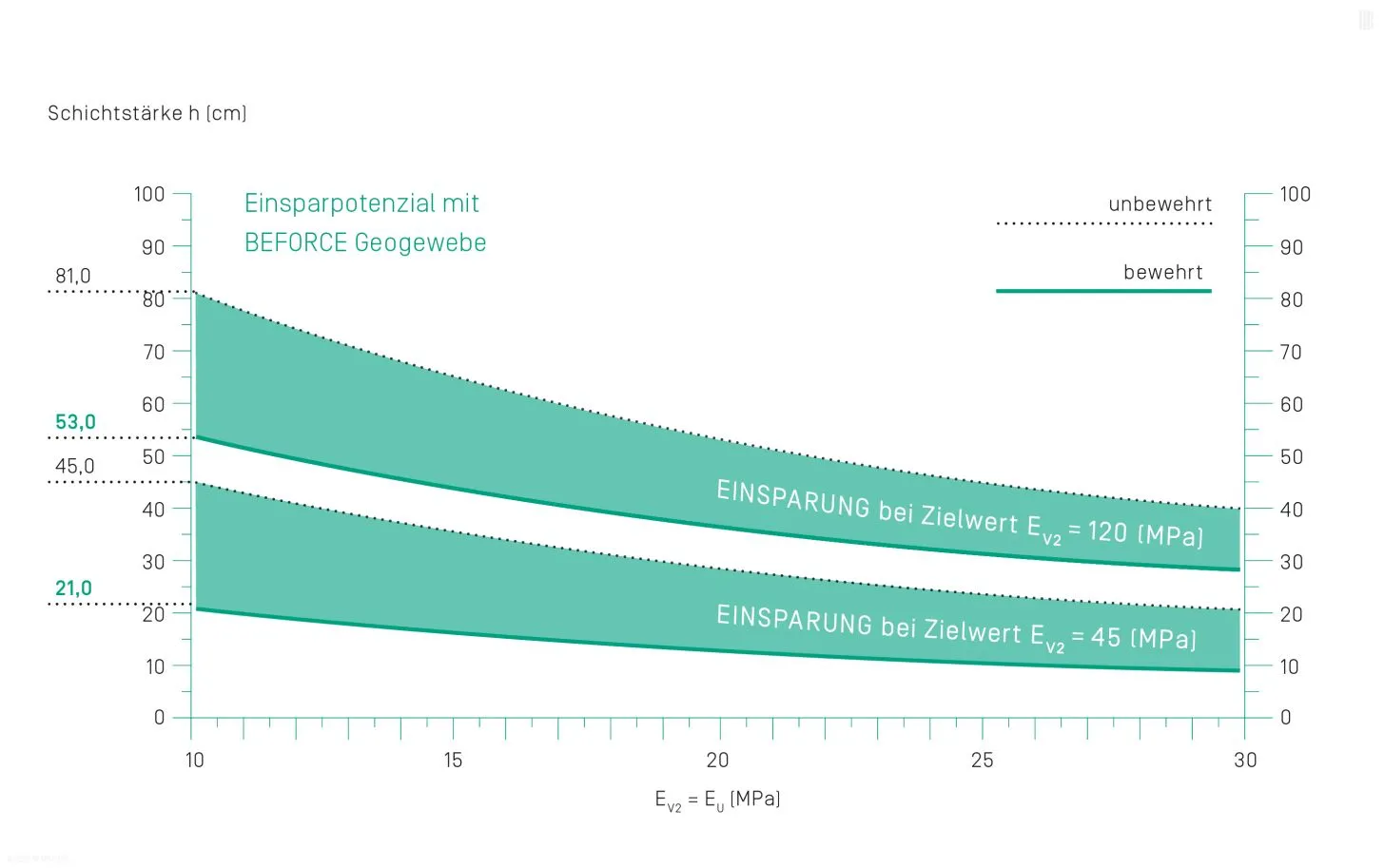
Improvement in load-bearing capacity due to BEFORCE PH 55 (PP 80) Woven Fabric
Example, based on a modulus of deformation EU = 10 MPa
Installation
- The subgrade should be as level as possible to ensure full contact with the PP fabric.
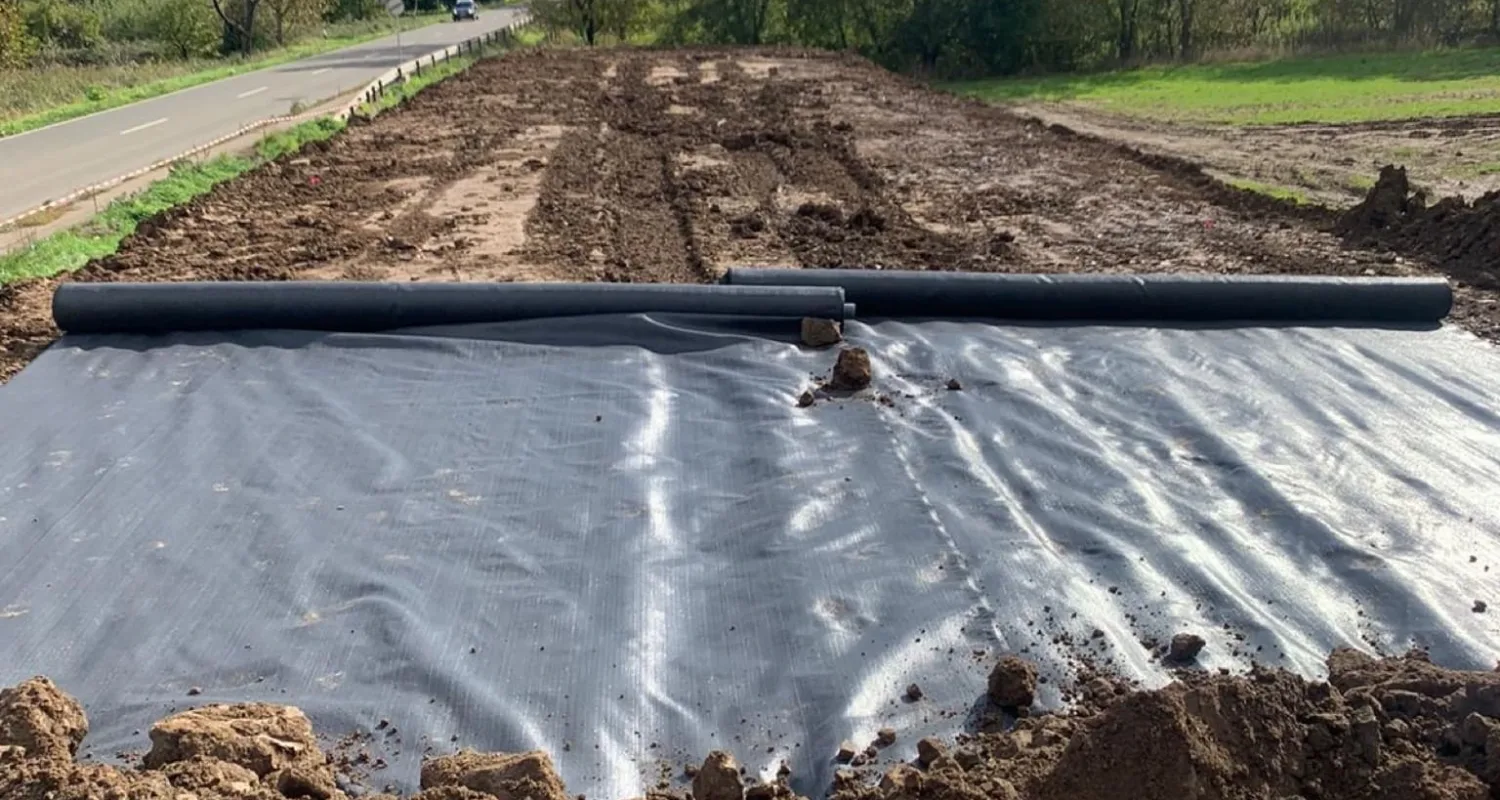
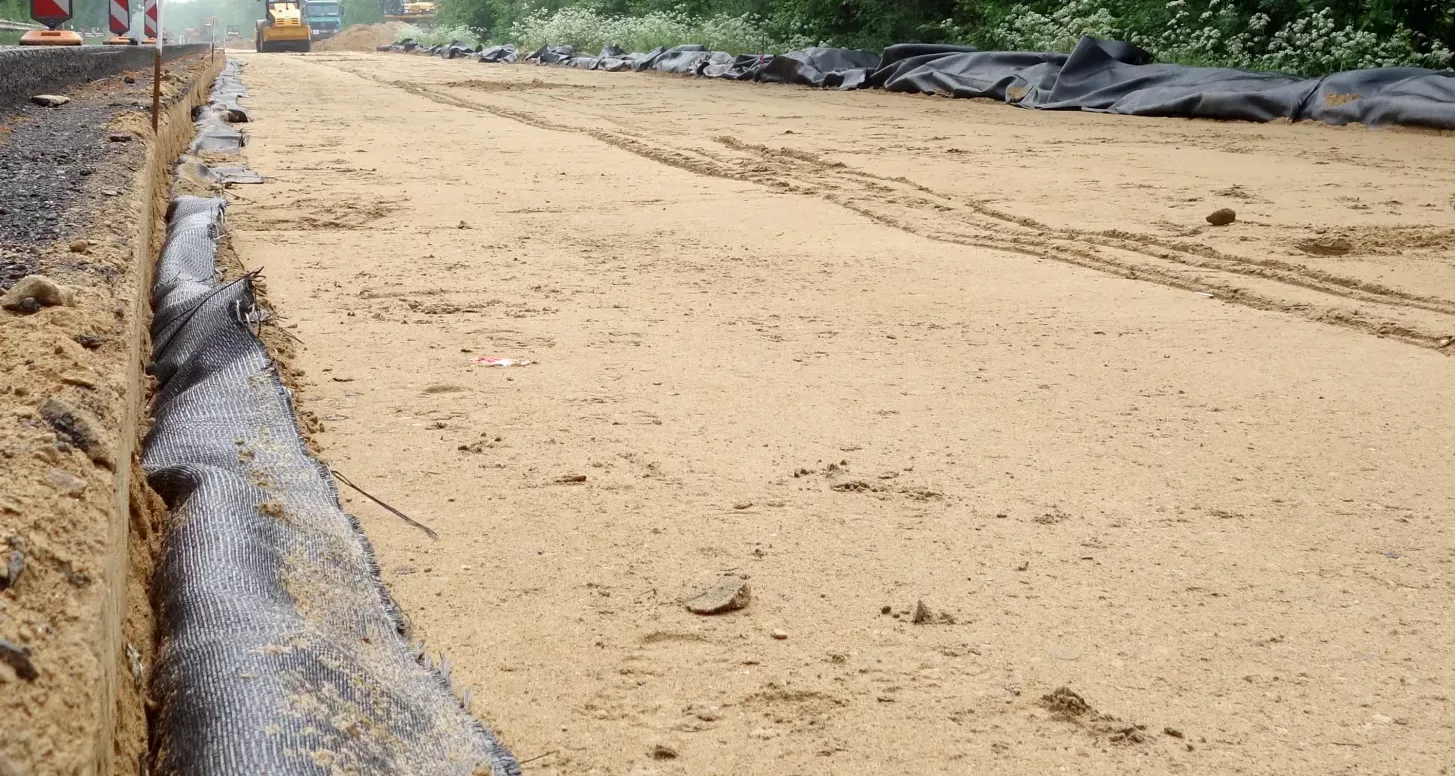
- The woven geotextile must be laid flat and free of creases.
- During backfilling and compaction, ensure the polypropylene fabric does not shift or crease at overlaps.
Our detailed installation and laying instructions for BEFORCE Woven Geotextiles must also be followed.
Das folgende Video demonstriert die Wirkungsweise von BEFORCE Geogewebe mit und ohne Umschlagtechnik.
Polypropylene Woven Fabrics: Contact Us for More Information
Our BEFORCE Woven Geotextiles are available in rolls of various strengths. We are happy to advise you on selecting the right product type, provide a customized quote, and support your decision-making process. Use our contact form or reach out directly to our experts.
Gallery



Frequently Asked Questions about PP Woven Fabrics and Reinforcement Geotextiles
What is PP Fabric?
PP fabric, in the form of woven tape fabric, consists of flat, stretched tapes woven into a stable surface structure. It features high tensile strength and robustness and is primarily used in construction for base reinforcement and layer separation.
What is BEFORCE Woven Geotextile used for?
BEFORCE Woven Geotextiles are used especially in the construction of temporary roads and for traffic infrastructure – such as roads, access routes, parking areas, and cycle paths. They serve to reinforce and separate unbound base layers.
What should you consider when buying polypropylene woven fabric?
It's important to choose a fabric that suits the expected load, subsoil conditions, and intended application. Pay attention to the correct backfill material and refer to our installation guidelines. Our technical advisors are happy to assist you with project-specific support before you purchase.
Is polypropylene safe?
Yes, polypropylene is a widely used, physiologically safe plastic. It is free from harmful plasticizers or halogens, chemically resistant, and used in sensitive areas such as food packaging and medical devices. In civil engineering, it provides excellent durability and environmental compatibility.
What are the disadvantages of polypropylene fabric?
A potential drawback of polypropylene is its limited UV resistance. However, our PP geotextiles are designed for use in civil engineering and installed below ground shortly after delivery, where UV exposure is irrelevant.
Temperature resistance is also sometimes noted, but with a melting point of around 160 °C and resistance down to –10 °C, these geotextiles are well suited for road and civil engineering applications.
How long does polypropylene fabric last?
When correctly installed, BEFORCE Woven Geotextiles have excellent long-term performance. In civil engineering, service lives of 50 years or more are typical. The material is rot-proof and resistant to microorganisms, moisture, many chemicals, and fluctuating environmental conditions.
BEFORCE Woven Fabrics
Further applications
Anwendungstechnik Geobaustoffe
Sebastian Schiller
MSc. Geow.
 +49 (0) 911 64200-29
 sebastian.schiller@beco-bermueller.de